Ask any experienced injector about sagging and they will pause before answering. Not because Botox isn’t useful, but because the word sagging lumps many different problems into one bucket. There is skin laxity from collagen loss, descent of fat pads, heaviness from bone resorption, muscle pull that drags features downward, and etched lines on top. Botox injections can improve some of this, and completely miss other parts. Understanding the difference saves you from chasing the wrong solution, and it helps you time your treatments for the best, most natural looking results.
I have treated thousands of faces over the years, from first time Botox visits to complex facial rejuvenation plans. I have seen baby Botox smooth a worried forehead without freezing expression, and I have seen a heavy brow turn heavier when Botox was placed in the wrong pattern. Sagging is solvable, but the solution is rarely a single tool. Start with the anatomy, then choose the right lever.
What Botox actually does
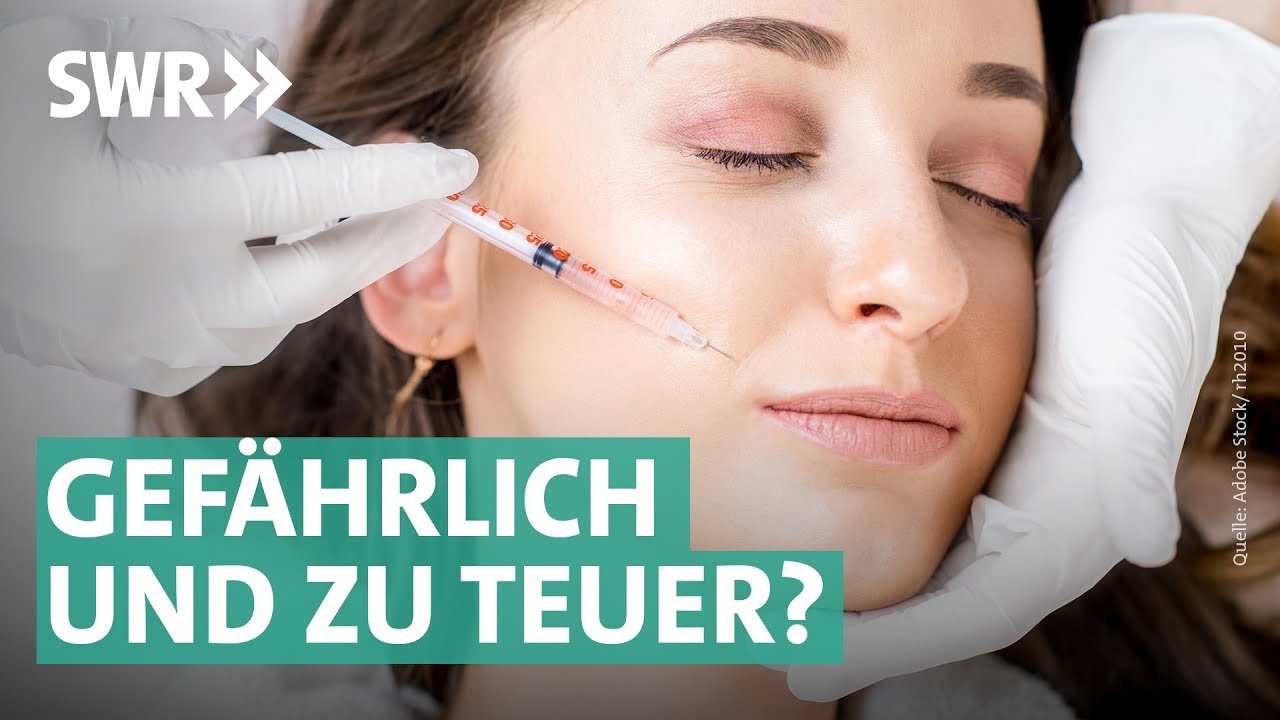
Botox cosmetic, as well as Dysport and Xeomin in the same family, is a neuromodulator. It relaxes targeted muscles by blocking the nerve signal that makes the muscle contract. It takes three to seven days to start working, peaks around two weeks, and then gradually wears off over three to four months in most areas. Some patients hold results closer to five months, a few just two, and men often need more units because of stronger muscle mass.
Because it quiets muscular pull, Botox is excellent for dynamic wrinkles. Forehead lines from lifting the brows, frown lines between the brows, and crow’s feet at the outer corners of the eyes respond predictably. Gummy smile Botox, a subtle lip flip Botox, masseter Botox for jaw clenching and facial slimming, and neck Botox for platysmal bands all rely on the same principle. If a muscle is pulling skin into a crease or pulling features downward, relaxing that muscle softens the crease and can change the lift-versus-drop balance.
What Botox does not do is rebuild collagen, replace lost volume, or physically tighten crepey skin. That is the heart of the sagging conversation.
The many faces of “sagging”
If you lift your cheeks with two fingers and everything looks perfect, your issue is likely descent of soft tissue more than skin laxity. If your skin looks thin with fine crinkles that persist even when you stretch upward, you have a collagen and elastin problem. If jowls deepen when you smile or clench, muscular vectors are adding to the heaviness. A good injector separates these layers during the consultation.
At the forehead, heaviness often comes from two directions. The forehead muscle lifts the brows, while the frown complex between the brows pulls down and in. Over time, bone resorption in the orbit and temple removes support, so the brows sit lower even before we begin. In that scenario, heavy handed Botox in the frontalis can drop the brows further. A skilled pattern that focuses on the frown lines and preserves some forehead lift can yield a soft eyebrow lift without flattening expression.
Around the eyes, crow’s feet are dynamic at first, then become etched. Botox for crow’s feet reduces the fan of lines when you smile. It can create a gentle upturn at the tail of the brow in certain faces, sometimes called an eyebrow lift Botox. But if the outer brow sits low from skin redundancy, muscle relaxation alone will not hoist it back.
At the lower face and neck, sagging becomes more complex. The masseter muscles can widen the lower face, and masseter Botox can slim it over two to three sessions, each spaced three to four months apart. That slimming can make early jowling look less prominent. Platysmal bands in the neck, which show up as vertical cords, respond to neck Botox, softening the cords and improving jawline definition in a subset of patients. Still, crepey neck skin or significant skin laxity requires tightening, not just muscle relaxation.
Where Botox shines for a sagging look
Botox can improve the appearance of sagging by neutralizing downward vectors. In practice, that means carefully relaxing muscles that pull down, while preserving or even emphasizing muscles that lift.
The classic example is the non surgical brow lift. Reducing the strength of the frown lines and the orbicularis at the tail of the brow allows the forehead elevator to create a slight lift. When the shape is right and the dose is right, the eyes look more open, makeup applies cleaner, and the face looks rested. This is the essence of a Botox brow lift.
Another area is the corners of the mouth. The depressor anguli oris muscle pulls the corners down. A few units placed precisely can let the corners rest more neutral. That does not fill marionette lines, but it reduces the dynamic downturn that makes the mouth look tired.
For neck bands, relaxing the platysma can lift the jawline slightly by reducing its downward pull. It will not fix turkey neck skin or heavy submental fat, but on the right neck it makes a visible difference in profile photographs. I often combine this with jawline Botox patterns to help the entire lower face look more supported.
Finally, for patients who clench, masseter Botox props up lower face definition by slimming bulky muscle that competes with the cheeks. Many people who start for TMJ botox treatment or botox for teeth grinding are surprised to see subtly sharper jaw angles in their botox before and after photos at three months.
Where Botox fails for sagging
When a patient points to folds by the nose and mouth and says this is what bothers me, Botox is not the right tool. Nasolabial folds come from midface descent and volume loss. The fold deepens as the cheek fat pads slide down with age. No amount of muscle relaxation changes that vector. Dermal fillers, biostimulators, and in some cases threads or surgical lifting solve that problem.
The same is true for crepey skin on the cheeks, thin under eye skin, and laxity along the jawline from significant collagen loss. Energy based tightening, collagen stimulating injectables, or surgery address those layers. Micro Botox or microtoxin can improve oily skin and pore appearance, and it can give a surface tightening effect in select cases, but it does not replace the kind of true tightening you get from radiofrequency microneedling or a lower facelift.
If you already have a low brow from heavy eyelids, an aggressive Botox treatment to forehead lines can drop the brows further and make you feel hooded. The fix there is a conservative pattern with fewer units across the frontalis, more attention to the frown complex, and a frank conversation about surgical eyelid lift if skin redundancy is the main culprit.
The role of combination treatments
The most natural outcomes come from pairing modalities. Botox and fillers work together because they address different problems. Botox calms movement and downward pull, while fillers or collagen stimulators replace volume and support structure. In the midface, a modest filler’s lift can reduce the look of sagging better than chasing lines around the mouth. Along the jawline, careful placement can camouflage early jowls where surgery is not yet warranted.
For skin quality, devices that trigger collagen repair make the canvas look firmer. Patients who combine Botox anti wrinkle treatment with radiofrequency microneedling often remark that their skin looks smoother at rest and their makeup sits better. It is not about looking done, it is about reversing the texture and support changes that age the face.
Botox also pairs well with skincare that repairs the barrier and encourages collagen. Retinoids, vitamin C, sunscreen every day, and a solid moisturizer sound simple, but over a year they do more for sagging than sporadic injections alone.
How we plan units and patterns
Doses vary. A petite forehead may need 6 to 10 units to soften lines and keep brow shape. A broader male forehead might require 16 to 30 units, distributed to preserve some lift. For frown lines, many people land in the 12 to 20 unit range. Crow’s feet often respond to 6 to 12 units per side. Masseter Botox ranges widely from 20 to 40 units per side for facial slimming or TMJ relief, sometimes more in strong jaws. Neck bands can require 20 to 50 total units spread across visible cords. These are ranges, not promises, and they differ by product. Dysport vs Botox or Xeomin vs Botox dose conversions are not one to one, so an injector needs to understand equivalencies.
The pattern matters as much as the number. I have seen a smooth forehead with flat, heavy brows after an injector blanketed the frontalis evenly with dots. I prefer to map the patient’s movement, then place units where overactivity creates lines while leaving small islands of lift. Natural looking Botox comes from this restraint. Baby Botox, or micro dosing across an area, is one way to trial a new pattern for a first time Botox patient who fears the frozen look. It usually means smaller units per injection site and a plan to assess at two weeks for a botox touch up.
Timing, onset, and maintenance
Most patients notice Botox results starting day three to five, with full effect around day 10 to 14. Plan your botox appointment at least two weeks before a major event. The treatment has minimal downtime, but small bumps at injection sites and possible pinpoint bruises can show for a day or two. Makeup can cover most of this after 24 hours.
How long does Botox last depends on metabolism, dose, and area. Expect three to four months in common facial areas, sometimes closer to two to three for heavy exercisers. Masseter results for facial slimming often improve through the second and third treatment as the muscle atrophies. For brow shape, the lift is delicate. When it starts to wear off, some people feel dull heaviness around week 10 to 12. This is normal, and it is your cue to schedule maintenance.
Safety, side effects, and what to avoid
Is Botox safe when performed by a trained professional using FDA approved products and sterile technique? Yes, and it has decades of therapeutic use behind it, from migraines botox treatment to hyperhidrosis botox treatment for underarm sweating. Still, it is a medical procedure with risks. Temporary bruising, mild headaches, eyelid heaviness, and asymmetry can occur. True eyelid ptosis is uncommon and usually resolves within weeks, but it is distressing. Placement and dose are your best insurance.
After injections, follow practical botox aftercare instructions. Skip strenuous workouts, hot yoga, or saunas for the rest of the day. Keep your head upright for four hours, avoid rubbing or massaging the injection sites, and wait until the next day for facials or massage. Can you work out after Botox the next day? Light to moderate exercise is usually fine. Can you drink after Botox? A glass of wine with dinner is not catastrophic, but heavy drinking can increase bruising. When in doubt, let the first 24 hours be gentle.
Medicines and supplements that thin the blood, like aspirin, ibuprofen, fish oil, and ginkgo, can increase bruising. If your prescribing physician agrees, stop them several days before your botox appointment. Do not stop any medication without medical clearance.
Cost, access, and choosing the right provider
How much does Botox cost varies by region and clinic model. Some practices charge per unit, others per area. In the United States, botox pricing per unit often falls between 10 and 20 dollars, with metro areas sometimes higher. A typical forehead and frown treatment might total 20 to 40 units, whereas a full upper face could reach 50 units or more. Neck bands, masseters, and other advanced botox techniques add units. Botox cost per area packages can be convenient, but they sometimes push a one size fits all approach. I prefer customized botox treatment plans because faces are not templates.
The lure of botox deals is understandable, but cheap injectables can mean diluted product, inexperienced providers, or counterfeit supplies. If you are searching for botox near me for wrinkles, read botox patient reviews with a critical eye. Look for photos that show natural expression. Ask who is injecting, what product they use, how they handle complications, and whether they book a follow up to check symmetry. The best botox clinic will not always be the fanciest, but it will treat you as a long term relationship, not a sale.
A good botox consultation should cover your medical history, previous treatments, your goals, and how Botox fits relative to other tools like botox and fillers, energy devices, or surgery. Bring your questions. Common botox consultation questions include how many units of botox for forehead lines you may need, how many units of botox for frown lines or crow’s feet they recommend, what not to do after Botox, and when does Botox start working. If you want same day Botox, be honest about blood thinners and your schedule. For first timers or those seeking preventative Botox, a staged plan can build confidence without overshooting.
The art of subtle, age appropriate results
The goal is not to erase every line. Faces need movement to look alive. The trick with Botox anti aging treatment is to soften harsh movement that etches lines and to rebalance areas where muscles are working against you. The results should read as better sleep, less worry in the brow, and more openness around the eyes.
Baby Botox forehead patterns can preserve lift while preventing new creases, especially useful for patients in their late twenties to mid thirties who are seeing early lines at rest. For those with deeper, longstanding wrinkles, a full dose might be necessary at first, then tapered as lines improve. Some smokers and outdoor athletes have more etched lines. In these cases, Botox alone cannot reverse the crease because the skin has remodeled to hold it. Microneedling, lasers, and careful filler placement can help.
Men often want subtler changes. Brotox for men is not a different product, it is a different aesthetic. Men typically look odd with a highly arched brow. A smart plan preserves a flatter, stronger brow while taking the scowl out of the frown lines and softening crow’s feet. Units per area are often higher due to muscle mass, and the injector has to respect hairline patterns and forehead height that differ from women.
Special use cases worth knowing
There are niche applications that indirectly affect sagging or the perception of it. Bunny lines on the nose can draw attention to the center of the face when you smile. A few units of botox for bunny lines can clean that up. Botox for chin dimpling smooths a pebbled chin and reduces the mentalis pull that can shorten the lower face Click here! visually. Jawline Botox, when used to treat platysmal bands along the mandibular border, can sharpen the edge in motion.
For patients with oily skin and prominent pores, micro Botox in the superficial dermis can decrease oil and give a glassy look. It is not a fix for sagging, but better texture makes the face read younger.
On the medical side, therapeutic botox is a workhorse beyond aesthetics. Migraines Botox treatment follows a fixed injection paradigm across head and neck muscles. Hyperhidrosis Botox treatment for underarm sweating can transform quality of life, and many patients first meet the product for a medical reason before choosing Burlington botox a cosmetic session. Medical Botox done by a neurologist or dermatologist shares the same safety profile when dosed and placed appropriately.
Managing expectations, photos, and follow up
I encourage every patient to take their own botox before and after pictures in consistent lighting. Take one at rest and one raising the brows, one frowning, one smiling. Repeat at two weeks, then again at two months. You will see changes more clearly in a camera roll than in a mirror. This helps you learn your cadence for botox maintenance and how often to get Botox based on how you feel and how you look.
Expect small asymmetries. Most faces start asymmetric. A touch up at two weeks can even out a stronger side with a few units. Resist the urge to chase minor things in the first three to five days. The product is still settling.
For long term planning, a personalized botox plan usually means three to four visits per year for the upper face, with lower face or neck as needed. Some patients prefer memberships or botox package deals to spread cost. That works if the clinic honors customization rather than forcing a fixed number of areas per visit.
What Botox can and can’t do for sagging skin
A simple way to think about it helps during decision making.
- What it can do: soften lines from movement, reduce downward pull that contributes to a sagging look, open the eyes with a balanced brow lift, smooth neck bands, slim bulky masseters, and refine expressions that read as tired or stern. What it can’t do: replace lost volume, lift descended fat pads back to their original position, tighten crepey or redundant skin, or correct jowls formed by ligament laxity and tissue descent. Those are filler and biostimulator territory, energy tightening, or surgical lifts.
If you match the tool to the problem, Botox becomes a precise instrument. If you ask it to do the work of fillers or surgery, you will be disappointed.
A realistic pathway for common concerns
Let’s map a few everyday scenarios.
A 34 year old with early forehead lines and slight heaviness at the outer brow wants non surgical wrinkle treatment. We design a conservative pattern: modest units across the upper forehead, more at the frown complex, a whisper at the crow’s feet, and a plan to reassess at day 14. Skin care adds sunscreen, a retinoid at night, and vitamin C in the morning. Results look natural, and we maintain every three to four months with small adjustments.
A 46 year old notices jowls and deeper nasolabial folds. Botox alone will not lift the midface. We treat the DAO to relax the downturn at the corners, add neck band Botox if cords are prominent, and plan cheek support with filler to restore projection. If oily with enlarged pores, micro Botox improves texture. Over six months, the combination produces a sharper jawline and a softer fold.
A 29 year old with square jaw from clenching wants facial slimming and relief for headaches. We use masseter Botox at 25 to 35 units per side, repeated at 12 to 16 weeks for two to three rounds. The face narrows gradually, pain reduces, and the lower face looks less heavy. If smile lines bother her, we address them with small units at the crow’s feet and consider a lip flip for balance.
A 58 year old with hooded lids and strong forehead lines seeks a brow lift without surgery. During the botox consultation, we test brow position manually and discuss realistic lift from eyebrow lift Botox, which may be millimeters, not centimeters. If skin redundancy is primary, referral for blepharoplasty enters the conversation. With agreement, we proceed with a lift focused pattern and recheck at two weeks for symmetry.
Final thoughts before you book
Sagging is multi factorial. Botox is excellent for muscular elements and expression lines, and it can subtly lift when you remove downward pull. For collagen loss, volume loss, and true skin laxity, consider complementary tools. The best botox doctor will talk you out of a treatment that does not fit your anatomy and build a plan that addresses cause, not just symptom.
If you are ready for a botox consultation, write your goals in plain language. Bring reference photos of yourself five to ten years ago. Ask about units, expected duration, and what happens if you do nothing. Whether you want preventative Botox, a touch up for an event, or a comprehensive facial rejuvenation botox plan, clarity on what Botox can and can’t do for sagging skin sets you up for results you will want to maintain.